

A successful look doesn't rely solely on the clothes you wear. It is often the details that make all the difference: well-chosen accessories, harmonious colors, quality materials, or even balanced proportions.
By paying attention to these elements, it becomes easy to put together elegant, coherent outfits adapted to every occasion, without needing to completely renew your wardrobe.
Building a balanced outfit before adding accessories
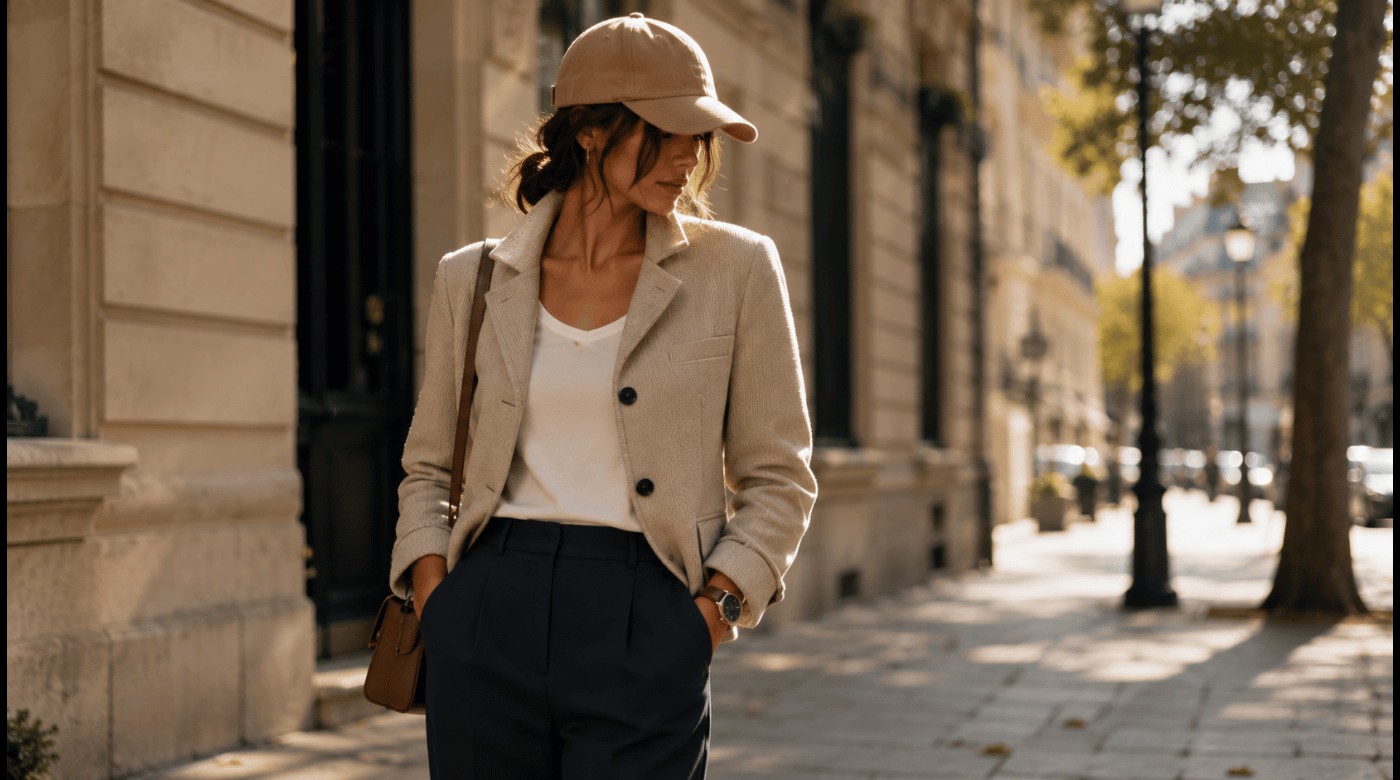
A successful look always begins with a harmonious silhouette. Before choosing a cap, a belt, or any other accessory, it is important to ensure that the garments work well together. Volumes must be balanced so that each piece naturally finds its place in the outfit.
For example, loose trousers pair easily with a more fitted top, while an oversized jacket is often highlighted by a more sober base. Lengths also play an essential role: a well-cut jacket, sleeves of the right size, or properly adjusted trousers immediately provide an impression of care and elegance.
Once this base is built, choose a single focal point. This could be a striking color, an original material, a subtle pattern, or an accessory that naturally draws the eye. The rest of the outfit then balances this element to create a cohesive ensemble that is pleasant to observe.
To maintain an elegant silhouette, favor a few simple principles:
- Balance volumes between the top and bottom.
- Choose clothes adapted to your body type.
- Highlight only one strong element per outfit.
- Avoid accumulating too many colors, patterns, or imposing accessories.
Using color with precision
Color is one of the fastest ways to personalize a look, but it requires a certain balance. A restricted palette often appears more mastered than an accumulation of competing tones. Two or three main colors are generally enough, to which neutral shades like white, beige, gray, navy blue, or black can be added.
To start easily, one can compose a neutral base and add a single more present color in an accessory. A burgundy cap, an olive green bag, or a pair of colorful socks can liven up an outfit without dominating it. It is also possible to pick up a shade already present in a pattern to create a subtle visual continuity.
Do not look for a perfect match
Coordinating does not mean matching everything exactly. A belt, shoes, and a bag in the same shade can sometimes give an impression that is too calculated. Similar colors, complementary materials, or a subtle callback often produce a more modern result. The eye then perceives harmony, without the ensemble appearing rigid.
Making the cap a true style accessory
The cap is no longer limited to sports outfits. It can bring a relaxed note to an elegant silhouette, structure an urban look, or balance a very classic outfit. Its effect depends on its shape, its material, and the way it dialogues with the other pieces.
A sleek model in a sober color works easily with a straight coat, a shirt, or a blazer. A more graphic cap can become the central point of a minimalist ensemble. The material also plays a role: cotton remains versatile, wool adds texture in the cold season, and certain more technical finishes reinforce a contemporary look.
For the ensemble to remain harmonious, one must also take into account the hairstyle, glasses, and the collar of the garment. A voluminous cap associated with a very thick scarf can weigh down the top of the silhouette. Conversely, simple lines around the face highlight the accessory more.

Taking care of shoes and the extremities of the outfit
The gaze often rests on the face, then descends to the shoes. These therefore strongly influence the level of formality of a look. The same outfit can appear elegant with loafers, urban with sleek sneakers, or more assertive with ankle boots. Socks, trouser cuffs, and hem length also contribute to the overall balance.
This attention paid to finishes does not stop once the front door is closed. More and more people wish to maintain a neat look even during their moments of relaxation, by favoring comfortable loungewear and accessories made from beautiful materials.
In this spirit, leather slippers for men constitute a particularly coherent choice. Their material provides a sober elegance, while their finishes and comfort naturally extend the attention given to the rest of the wardrobe. Well-chosen, they are no longer just practical: they become a true style detail, discreet but revealing of a taste for durable materials and timeless lines.
This continuity between outside and inside does not mean that one must remain dressed as if for a day at work. It is rather a matter of preferring pleasant pieces, adapted to everyday life and neat enough to avoid the impression of a neglected outfit. Comfort can thus become a component of style, and not its opposite.
Choosing accessories according to their function
A successful accessory is not solely decorative. It must accompany the day, meet a need, or facilitate actions. A bag that is too small to contain essential items will rarely be used, even if it is very aesthetic. An uncomfortable watch or a belt that is difficult to adjust will also eventually remain in a drawer.
The best choice therefore lies at the meeting of style and usage. A cap protects from the sun, a scarf provides warmth, glasses improve visual comfort, and a bag organizes personal belongings. When an object fulfills its function well, it is worn with more naturalness, which reinforces the elegance of the whole.
There is no universal number, but a few well-chosen accessories are often enough. A cap, a watch, and a bag can form a coherent ensemble. Adding large earrings, several necklaces, a bold belt, and very graphic glasses all at once risks dispersing attention. It is better to prioritize elements and let the outfit breathe.
Playing with materials to add relief
Textures allow for creating depth, even when the color palette remains very sober. Raw denim combined with a soft knit, smooth leather next to textured cotton, or a wool jacket worn with a velvet cap immediately give more character.
This approach is particularly useful for monochromatic looks. An entirely beige, gray, or black outfit appears less uniform when the surfaces do not react in the same way to light. Matte, shiny, soft, or structured materials create subtle contrasts without introducing new colors.
The choice of textures also makes it possible to highlight certain pieces without resorting to prints or bright hues. A full-grain leather accessory, a thick canvas bag, or a slightly textured jacket naturally draw the eye thanks to their finish. This visual richness brings more personality to the silhouette while maintaining a harmonious ensemble.
It is also interesting to adapt materials to the seasons. Light fabrics like linen or cotton are particularly pleasant when temperatures are high, while wool, velvet, or suede offer more warmth and depth in autumn and winter. By varying textures according to occasions and the time of year, it becomes easier to create balanced, elegant, and visually richer outfits, even with a limited number of clothes.

Adapting details to the context
A successful look is also an appropriate look. The same accessories do not necessarily suit a workday, a walk, a lunch, or an evening. This does not mean that one must change their style entirely, but rather adjust certain details.
For a professional outfit, simple lines and well-made accessories are generally the easiest to integrate. For the weekend, soft materials, freer colors, and playful details find their place more easily. During an event, a single more precious element may suffice: a beautiful watch, a structured bag, or a remarkable piece of jewelry.
Taking the context into account allows for composing an elegant outfit. An adapted silhouette inspires more confidence and avoids giving the impression of being overdressed or, conversely, too casual. The location, the season, the weather, and even planned activities also influence the choice of clothing and accessories. A lightweight cotton cap will more easily suit a summer outing, while thicker materials will find their place when temperatures drop.
The goal is not to follow strict rules, but to find the right balance between comfort, practicality, and style. By adapting a few details according to each situation, it becomes easier to maintain a coherent vestimentary identity while meeting the requirements of the moment. A well-thought-out outfit thus appears more harmonious, whatever the occasion.
Developing a personal signature
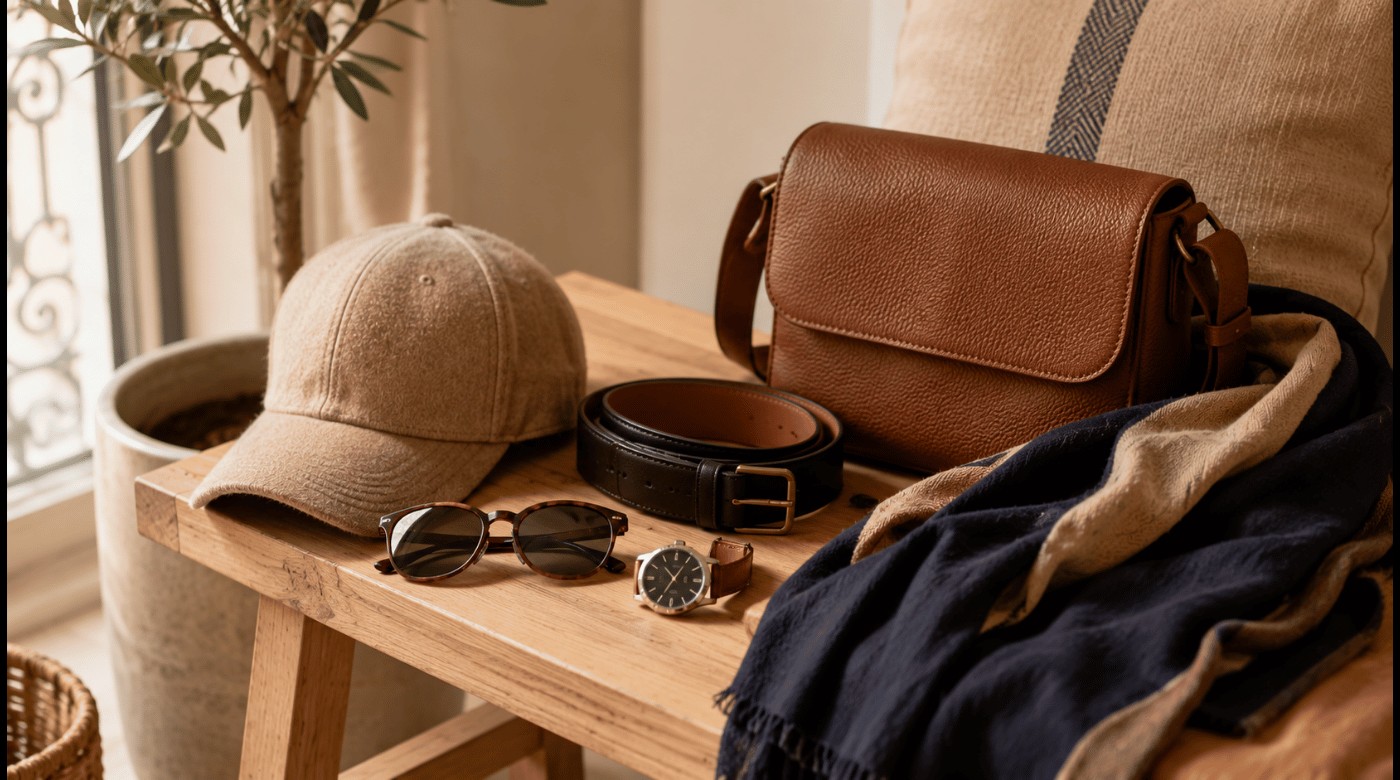
People whose style appears immediately recognizable do not necessarily wear extraordinary pieces. They often repeat certain codes: a shape of cap, a color palette, a type of jacket, a particular watch, or a way of rolling up sleeves. This repetition creates a visual identity.
To find your own signature, it can be useful to observe the outfits in which you truly feel comfortable. Which clothes are worn most often? Which colors return spontaneously? Which accessories give confidence without requiring effort? The answers allow one to distinguish fleeting trends from what corresponds lastingly to their personality.
Building a personal style takes time and a few attempts. It is not necessary to follow every new trend to assert one's identity. By favoring pieces that you truly appreciate and wear with pleasure, it becomes simpler to compose coherent, natural outfits that are easy to reproduce on a daily basis.

Avoiding the most frequent errors
The first error consists of multiplying trends in a single outfit. Each piece may be interesting separately, but their accumulation prevents the eye from understanding the whole. The second is neglecting the state of accessories. A deformed cap, poorly maintained shoes, or a damaged bag attract more attention than the rest of the look.
Another frequent error is choosing an accessory solely because it is trendy, without taking into account its usage or comfort. An object that one is constantly adjusting gives an impression of discomfort. Finally, wanting to exactly reproduce an outfit seen on another person can be disappointing if proportions, lifestyle, or preferences are different.
To maintain a harmonious look, a few simple habits can make all the difference:
- Regularly maintain your shoes and accessories.
- Favor quality and coherence rather than quantity.
- Choose accessories adapted to your daily life.
- Stay faithful to your style rather than following every trend.
These few reflexes allow for composing more balanced outfits and highlighting your personality, without overloading your look or losing comfort.
A simple method to finalize your outfit
Before going out, it is sometimes enough to take a few seconds to observe the entire silhouette. Does the look have a clear focal point? Are the volumes balanced? Do the colors dialogue with each other? Are the accessories useful and comfortable? This quick check allows for adjusting a cuff, removing a piece of jewelry, or changing bags.
|
Element |
Question to ask yourself |
Possible adjustment |
|
Silhouette |
Are the volumes balanced? | Simplify the top or bottom |
|
Colors |
Are there too many strong shades? | Keep only one accent |
|
Cap |
Does it fit the lines of the face? | Choose a more sober shape |
|
Accessories |
Do they all have a clear function or role? | Remove one or two |
|
Shoes |
Do they correspond to the context? | Adapt the level of formality |
|
Comfort |
Does the outfit remain pleasant to wear? | Adjust the cut or material |
FAQ on the details that make the difference in a successful look

How many accessories should you wear with an outfit?
There is no hard-and-fast rule. Two or three cohesive accessories are often enough. The main thing is that they do not compete with each other and that a primary element remains identifiable.
How do you wear a cap with a stylish outfit?
Choose a clean shape, a high-quality material, and a sober color. Pair it with structured clothing like a straight coat, a shirt, or a blazer, and limit other bold accessories.
How can you improve a simple look without buying new clothes?
Work on cuffs, layering, belts, and accessories. A new color combination or a change of shoes can give a different look to pieces already in your wardrobe.
Should shoes, bags, and belts be matched?
They do not need to be the exact same color. Close shades, complementary materials, or a subtle reference usually create a more contemporary harmony.
Can comfort really be part of style?
Yes. A comfortable piece encourages a more natural posture and a more relaxed appearance. Whether indoors or outdoors, the choice of materials, cut, and finishes contributes to the overall impression.

Conclusion on the details that make the difference in a successful look
Clothes create the first impression, but it is often the accessories that tell a story about one's personality. A well-chosen cap, an understated watch, suitable shoes, or a pair of stylish slippers contribute to the consistency that distinguishes a successful silhouette.
Style, therefore, does not depend on the quantity of clothes owned, but on the attention paid to the details that link them together. By prioritizing the right proportions, mastered colors, pleasant materials, and a few distinctive elements, it becomes possible to assert your identity naturally, both outdoors and during moments of relaxation.
To discover a selection of models designed for different styles and different uses, visit https://www.univers-chaussons.com.